

The Markos Group focuses on developing new chemical reactions and exploring their applications in synthetic organic chemistry and chemical biology. We are particularly interested in designing and constructing small organic molecules, such as fluorophores and bioactive compounds, to visualize and modulate biological processes in living cells and organisms. Our research is highly multidisciplinary, integrating organic synthesis, physical organic chemistry, and cell biology.
Research projects
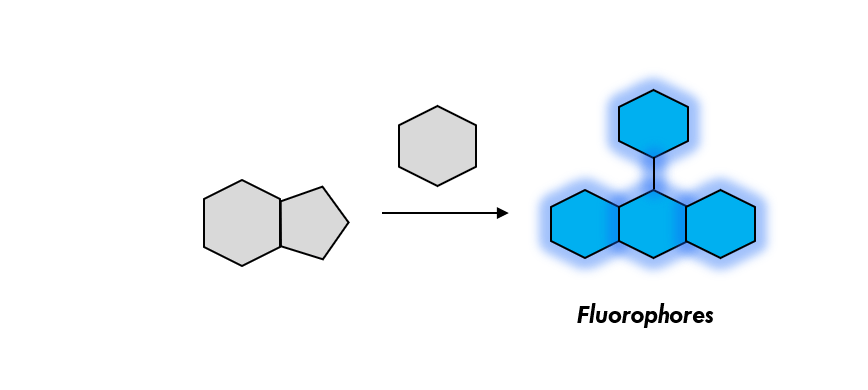
Bioorthogonal synthesis of fluorescent dyes in cells
Small fluorescent molecules are an indispensable tool for imaging biomolecules in vitro and in vivo. They are usually synthesized in the laboratory under well-defined conditions and subsequently administered. However, their distribution to the site of action is often associated with problems such as poor penetration of the cell membrane or non-specific binding. We are using concepts of bioorthogonal chemistry to develop efficient synthesis of state-of-the-art fluorophores directly in cells, thereby contributing to a better understanding of biology.
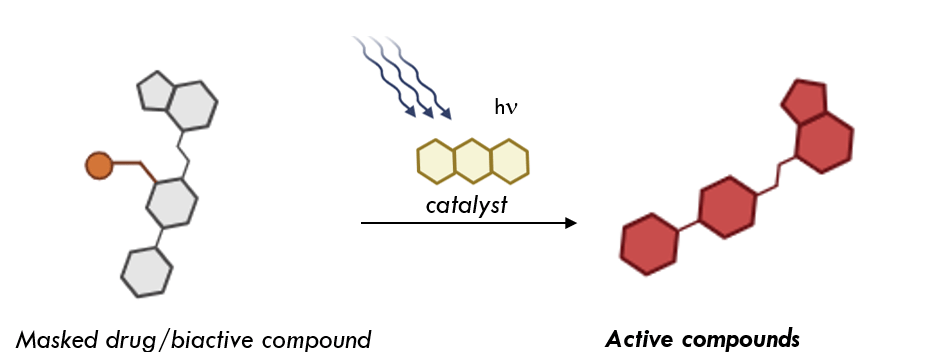
Bioorthogonal synthesis of bioactive compounds
Visible light photoredox catalysis is a rapidly developing area of synthetic organic chemistry and chemical biology. We are harnessing photoredox catalysis and developing biocompatible methods to synthesize bioactive molecules inside cells and living organisms.
Development of new synthetic methods
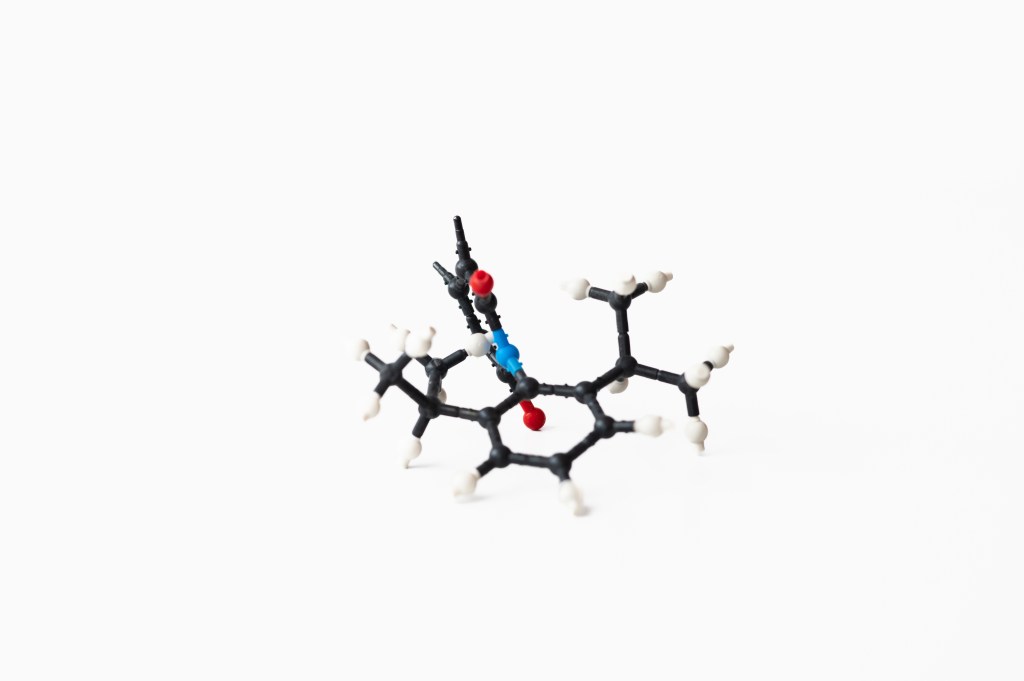
Developing new synthetic chemistry methods is essential for advancing drug discovery, improving industrial efficiency, promoting environmental sustainability, and creating innovative materials. We are developing new synthetic methods leading to unknown structural motifs and greener chemistry.
 markoslab.com